Holes, cracks and bad past repairs, made invisible — in Denver and all around it.
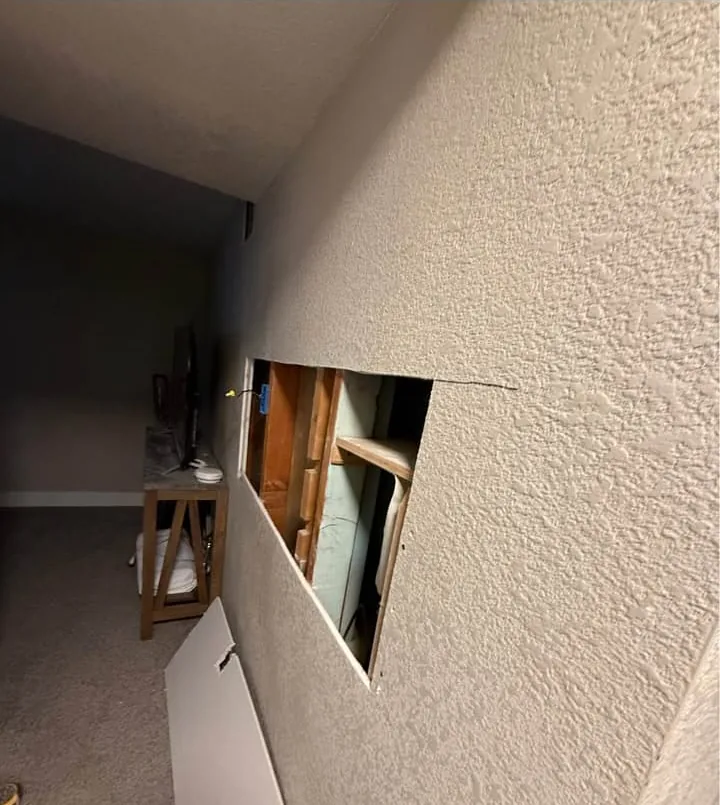
Patching is the name on the truck, and it is the work we do most. A doorknob through the hallway wall, a crack that keeps coming back over the same door frame, a hole cut by a plumber and never closed, or a repair somebody else made that now reads as a grey rectangle every time the afternoon light crosses it.
The repair is not the hard part. Making it disappear is. A patch is only finished when you cannot find it with your eyes closed to the room and open to the wall.
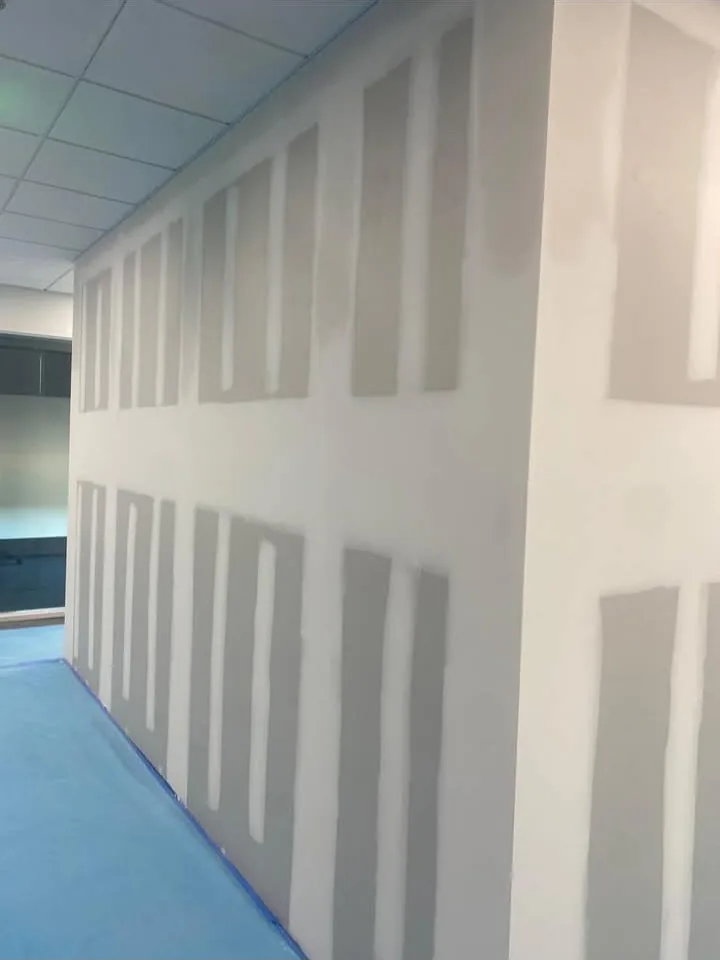
We cut the damage back to solid edges and to something to screw to, because a patch floated over an empty cavity moves later and cracks in the same line. Then the piece goes in, the joint is taped and built up in coats, and each coat is feathered wider than the last so the wall comes back flat instead of humped.
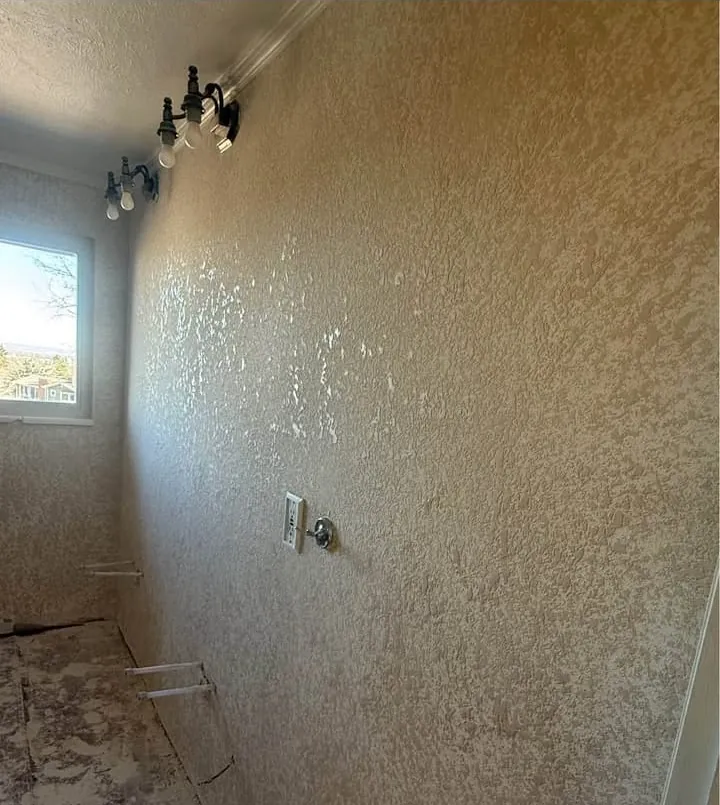
The texture is matched to what is already on your wall — knockdown, orange peel, or a hand texture that somebody troweled thirty years ago and never wrote down. That match is usually what separates a repair you stop noticing from one you point at.
A photo of the damage on WhatsApp tells us more than a description does, and it is usually enough to give you a price without a trip.
The damaged area is squared off to solid board and to backing we can screw into, so the repair has something to hold onto.
The piece goes in, the joint is taped, and the coats are feathered wide. Wide is what keeps a patch from sitting proud of the wall.
Texture is matched to the surrounding wall, then primed and painted so the patch stops being a place your eye goes.
Raeford, Fayetteville and the towns around them are not one market — a Fort Bragg rental turning over, a brick ranch off Bragg Boulevard and a new build in Hope Mills are three different jobs.
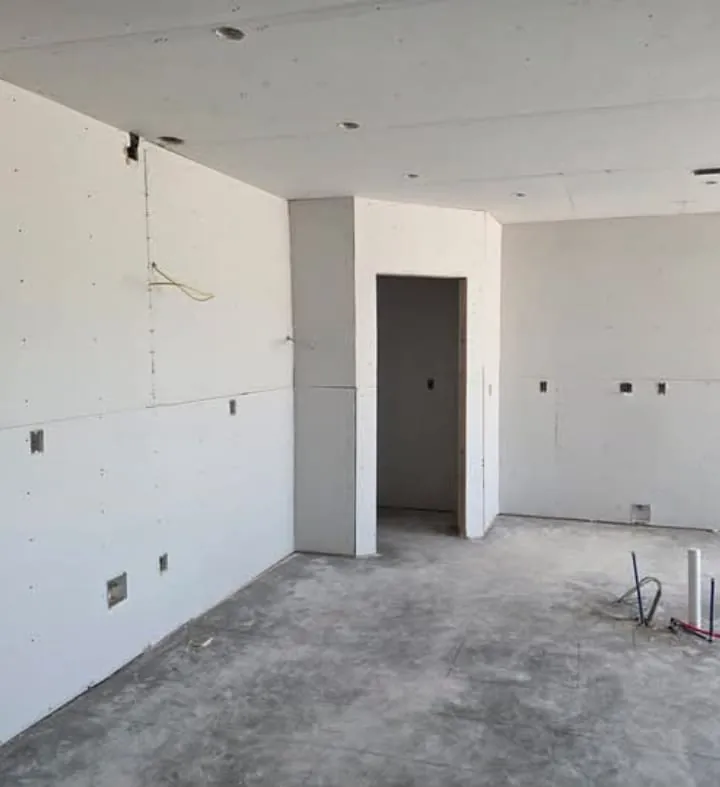
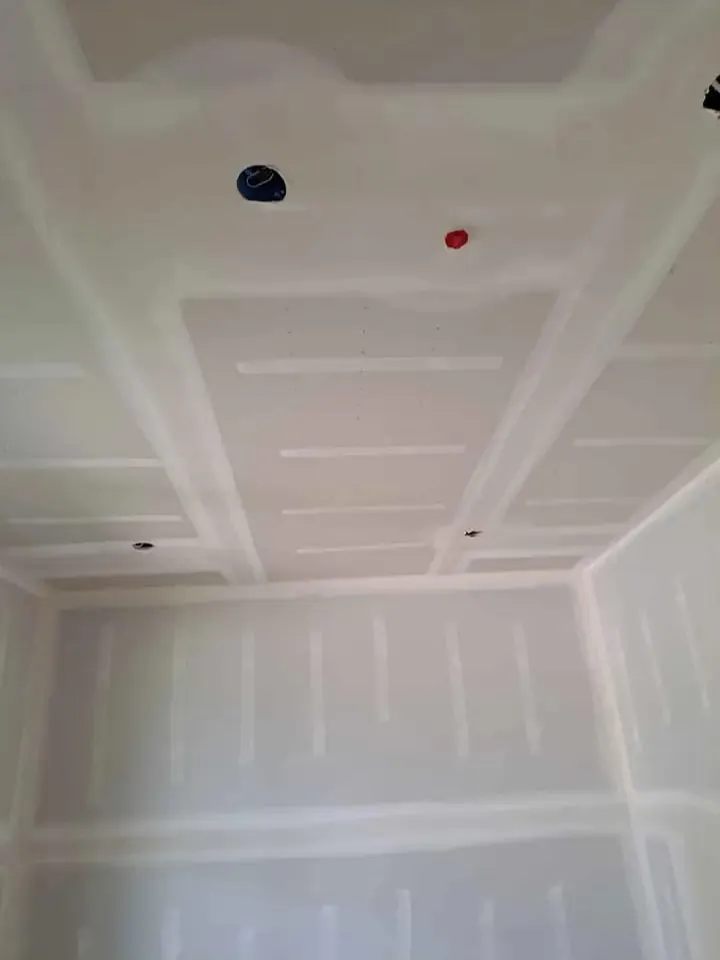
Tell us what happened to the wall or the ceiling — send a photo on WhatsApp if that is quicker. Free estimate, English or Spanish.
Call (720) 909-4362